
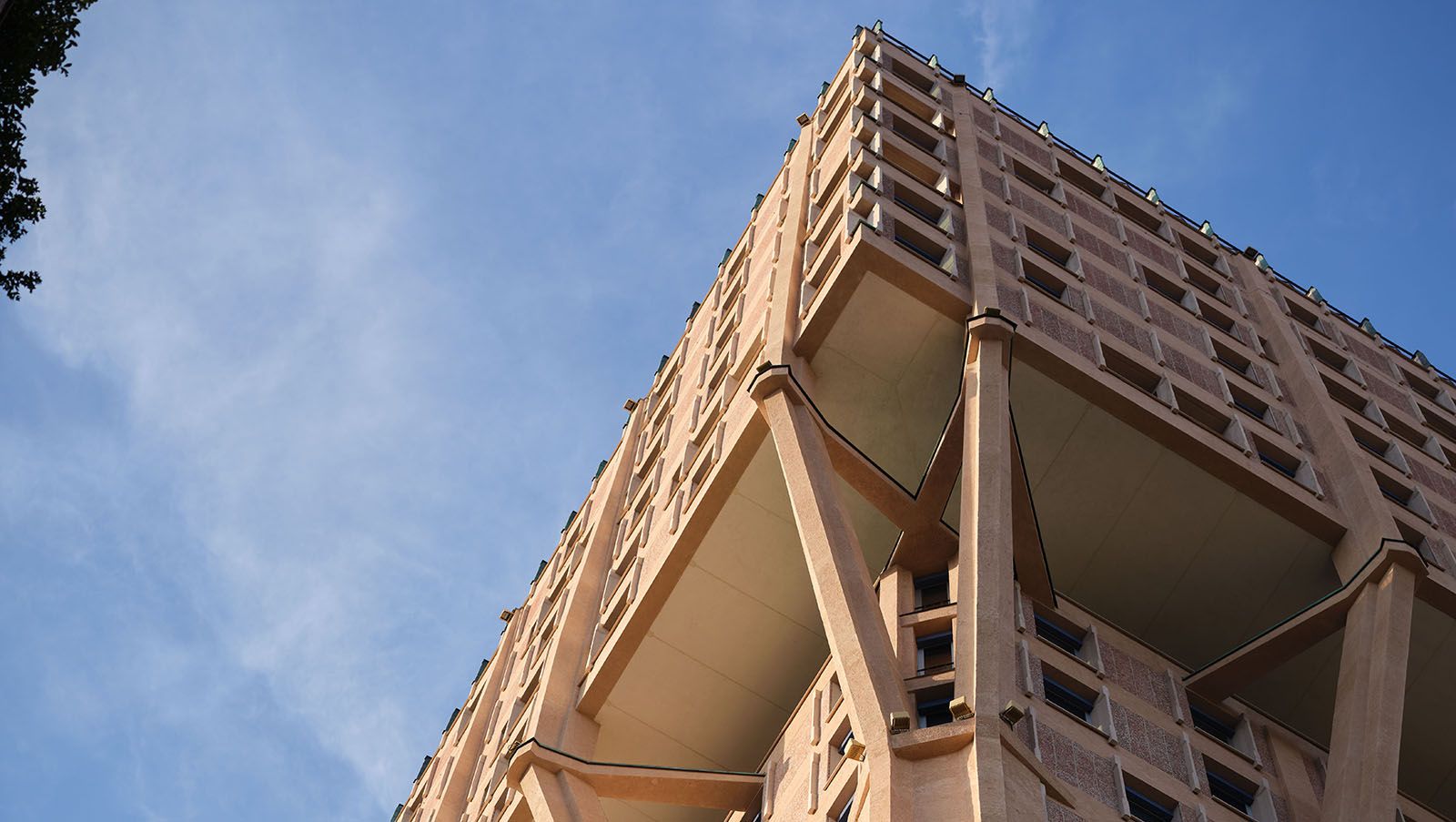
A brutalist tower gets a second life as homes, not a demolition.
Torre Velasca, Milan's brutalist icon, is about to be transformed into the city's most coveted residential address
Five shifts run through this issue: rooms made for stillness, buildings kept and rebuilt, materials chosen for how they age, objects with an author, and art that leaves the gallery. I read about all of it in the magazines below, so what follows is an edit of what they report.
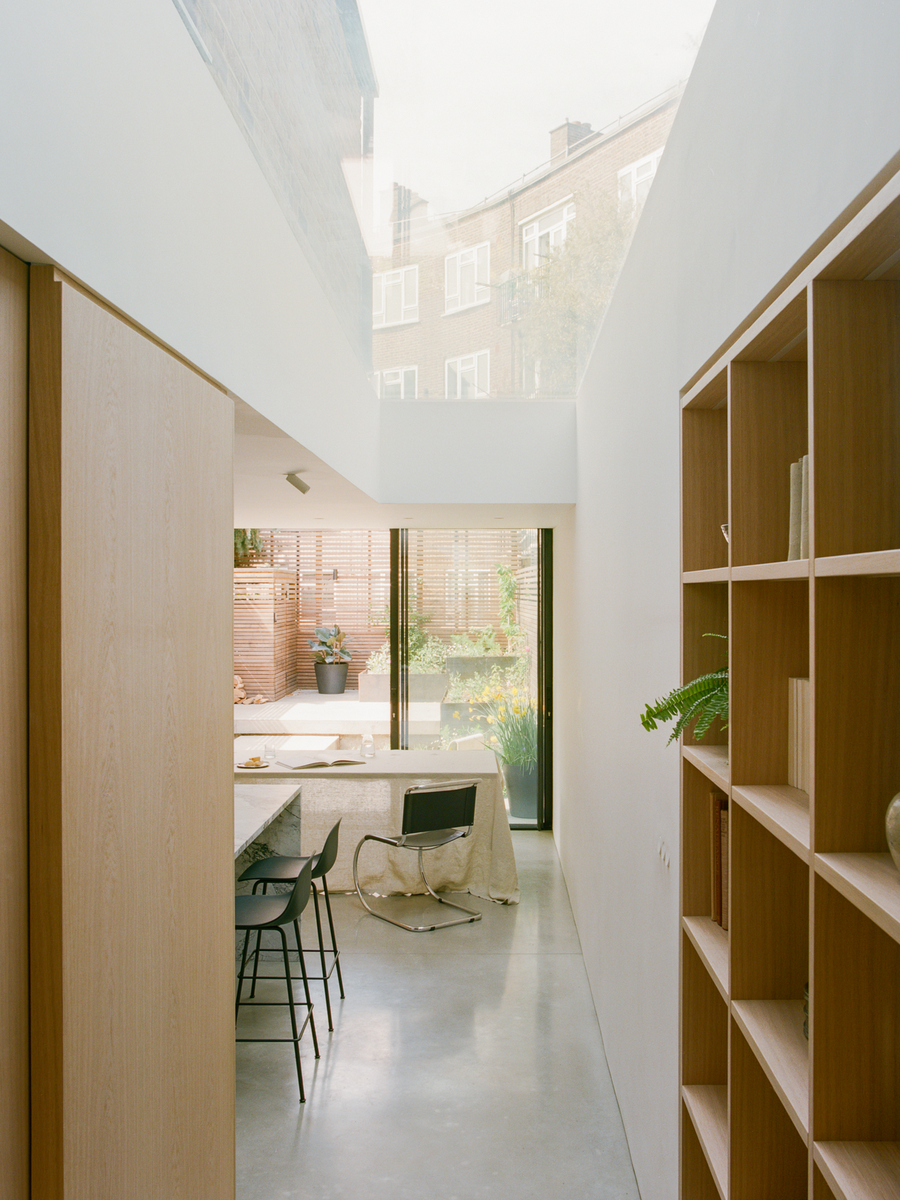
Houses, hotels and pavilions are being designed around stillness, ritual and doing less, not around features.
1 piece ↓Architects now treat what exists as the main material: shells kept, interiors replaceable, cities left open to change.
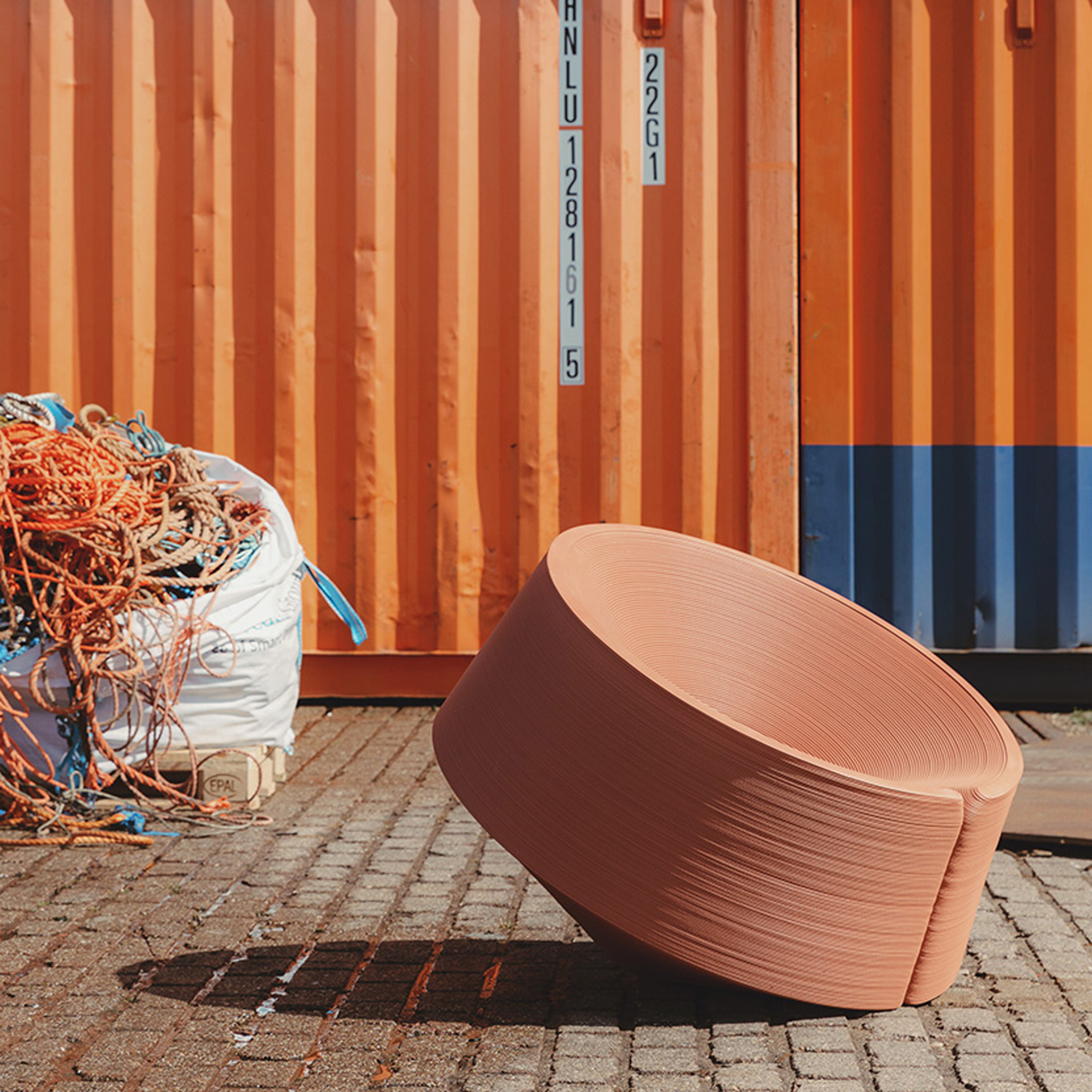
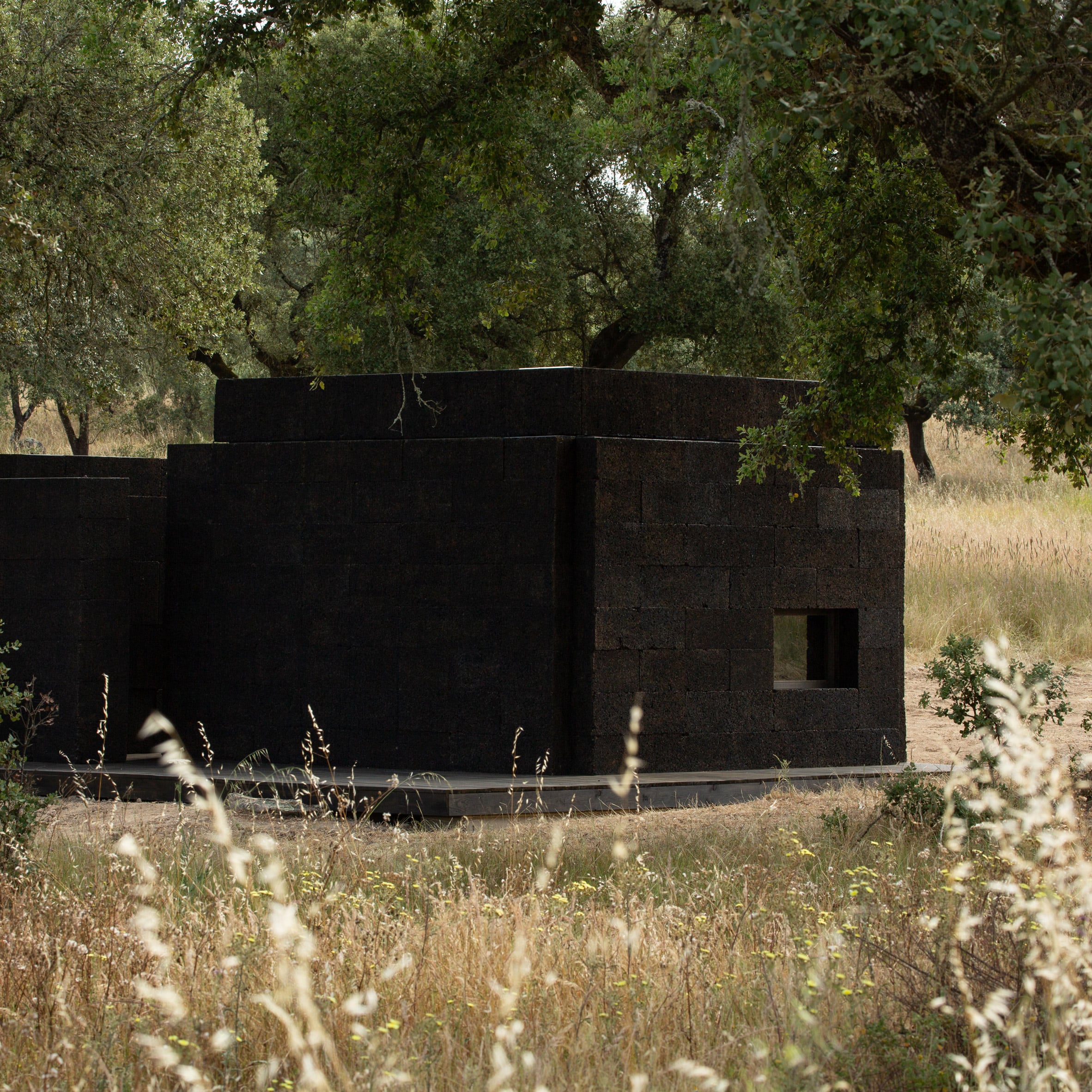
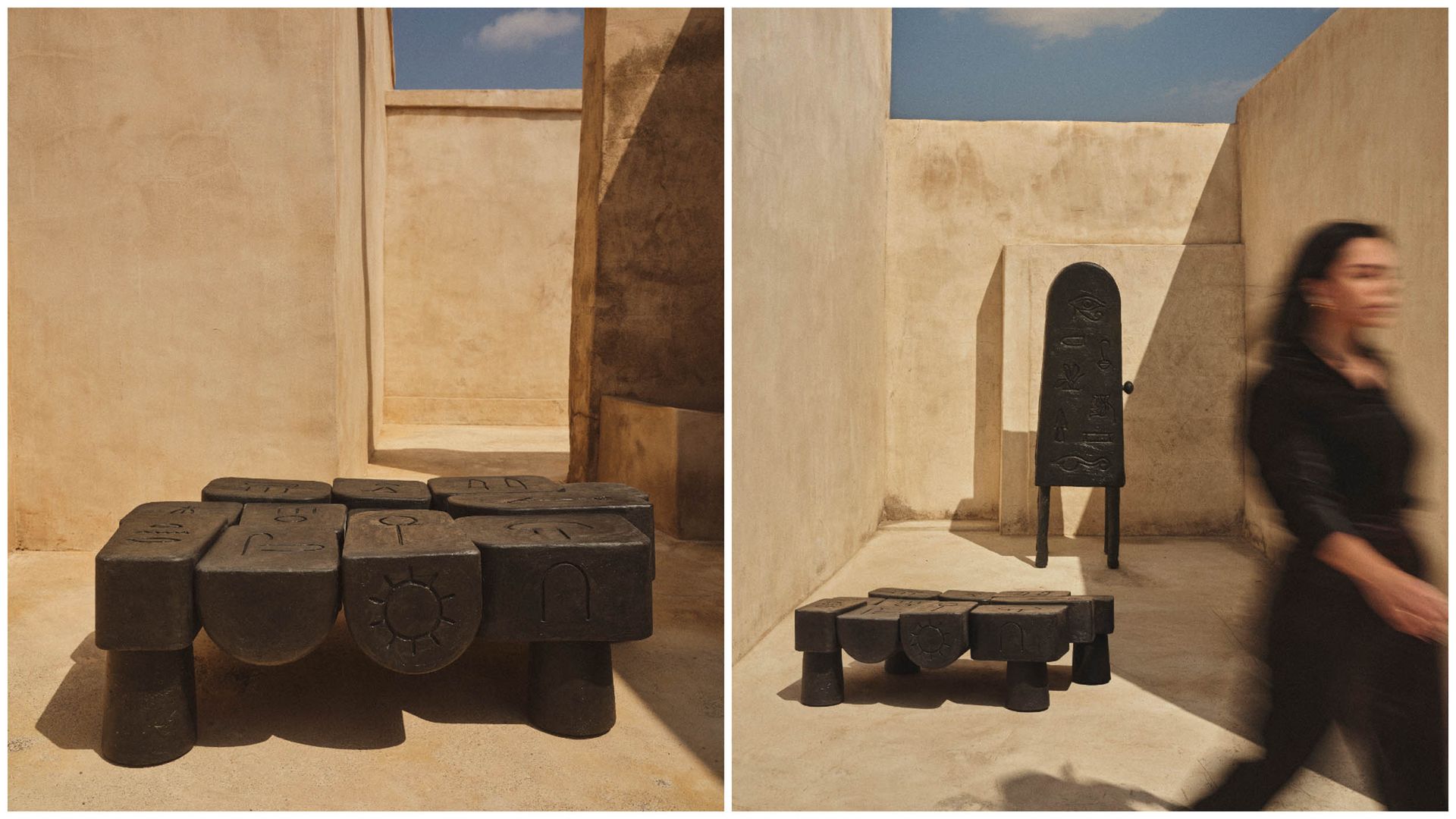
7 pieces ↓Brick, cork, hemp, papyrus and salvaged rope are chosen because they carry a story, and a surface that ages well.
4 pieces ↓Cars, couture and textiles are moving from series to the single piece, with a visible hand behind it.
3 pieces ↓Art leaves the white cube and spreads across venues, bars, streets and halls, designed by architects.
Architects are starting from what already stands, keeping the shell and rebuilding from within, and the buildings that change best are the ones made in layers.
Read the storyFrom a Porsche made once to a scarf woven by one family, the premium answer to the series is turning out to be a single piece with a name behind it.
Read the storyArchitects are starting from what already stands, keeping the shell and rebuilding from within, and the buildings that change best are the ones made in layers.
Little more than a couple of external walls remain of a Victorian terrace in Hackney, London. Name Architects is rebuilding it from within, as Thisispaper describes in its piece on Clissold Park House. The terrace still reads as a terrace from the street. Behind the walls, the house is being made again.
That is the quiet shift. For a long time the default move was to clear the site and start over. Now the existing building comes first on the drawing board, as the main material: keep the shell, then decide what happens inside.
The interesting question is what gets built inside. In Milan's Porta Venezia, Thisispaper writes, the bar at ERIS stays while the retail front turns over. VELIA builds the room from replaceable wall panels. One room, two speeds: a part meant to stay and a part meant to change.
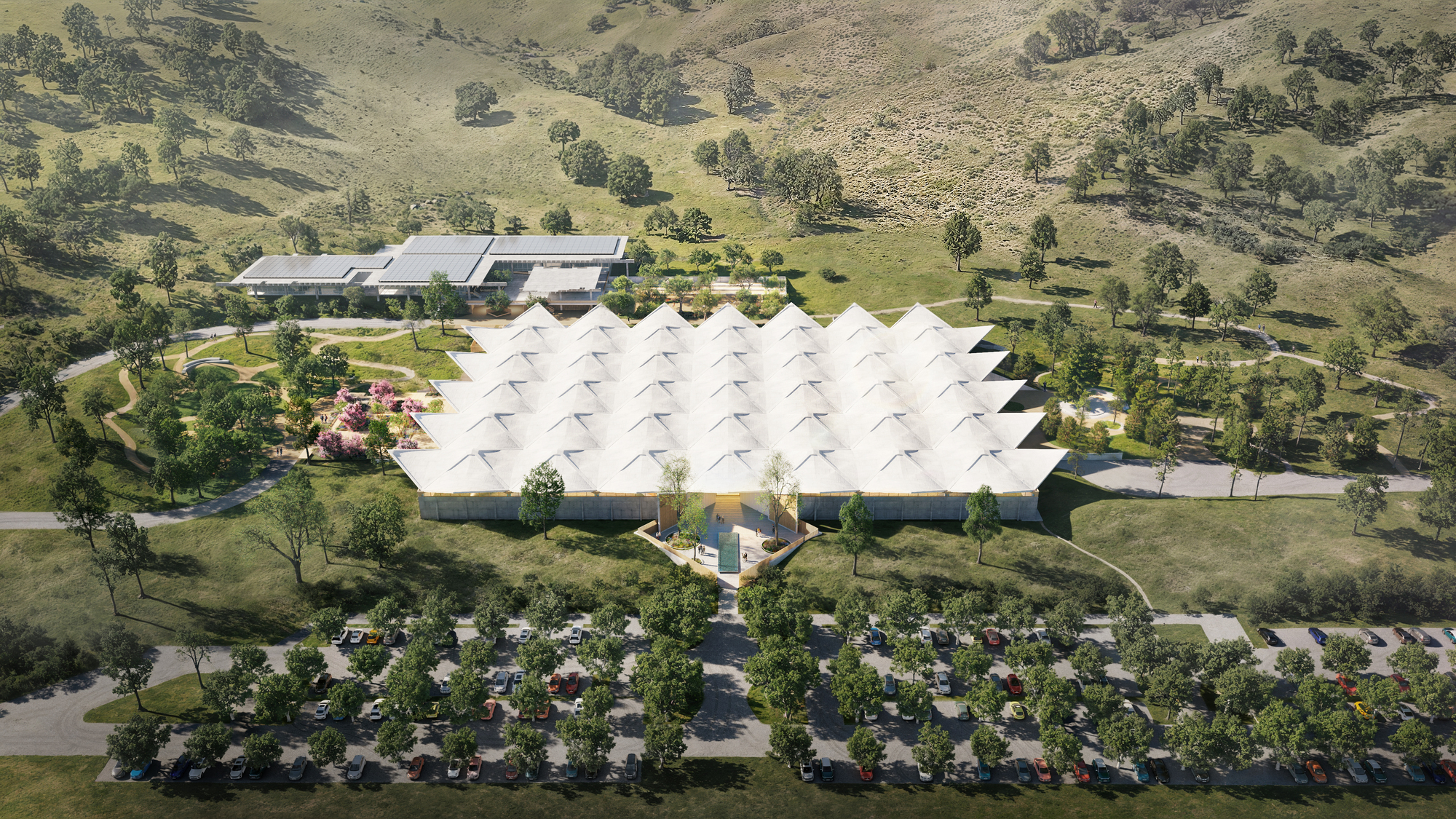
Institutions are thinking the same way. ArchDaily reports that the Eames Institute of Infinite Curiosity has unveiled the masterplan for its forthcoming archives in Marin County, California. Herzog & de Meuron and EHDD will transform a mid-century warehouse for it. The plan begins with the building that is already there.
None of this is new, and Artforum says so. Its essay on Judd's adaptive reuse asks how an approach this timeless could, by the 1970s, suddenly seem like a novel invention. What is new is that it is becoming the starting point rather than the exception.
My reading of why: the layers logic from Stewart Brand's How Buildings Learn. Things that wear out quickly should not be fused to things that last. A wall panel can be swapped in an afternoon. A structural wall cannot.
For how people live, my forecast is about 60% that within five years, buyers of premium houses will ask less what a house looks like and more what can be changed without touching the walls. Service routes that can be reached, finishes that come off, rooms that can be opened or closed. That is my forecast, not something these articles state.
What could go differently: keeping a shell is only wise when the shell is good. Where it is kept out of habit or for the look of the facade, it is just a cheaper way to repeat an old mistake.
From a Porsche made once to a scarf woven by one family, the premium answer to the series is turning out to be a single piece with a name behind it.
In Srinagar, a fifth-generation weaver has launched a cashmere brand called Kadri. The Art Newspaper reports that its scarves, blankets and accessories are spun and woven by hand in Kashmir. The brand is new, and so far it is little more than a promise and a family name.
It lands in a year when the same idea shows up in a very different place, the car. Monocle writes that the automotive industry in this century has largely been defined by homogenisation, and that something has palpably shifted lately. Motor1 reports that Fabrizio Giugiaro, who designed the Lamborghini Gallardo, has returned to it nearly thirty years later. His new take adds pop-down headlights and active aero flaps. The designer is back, and he is named.
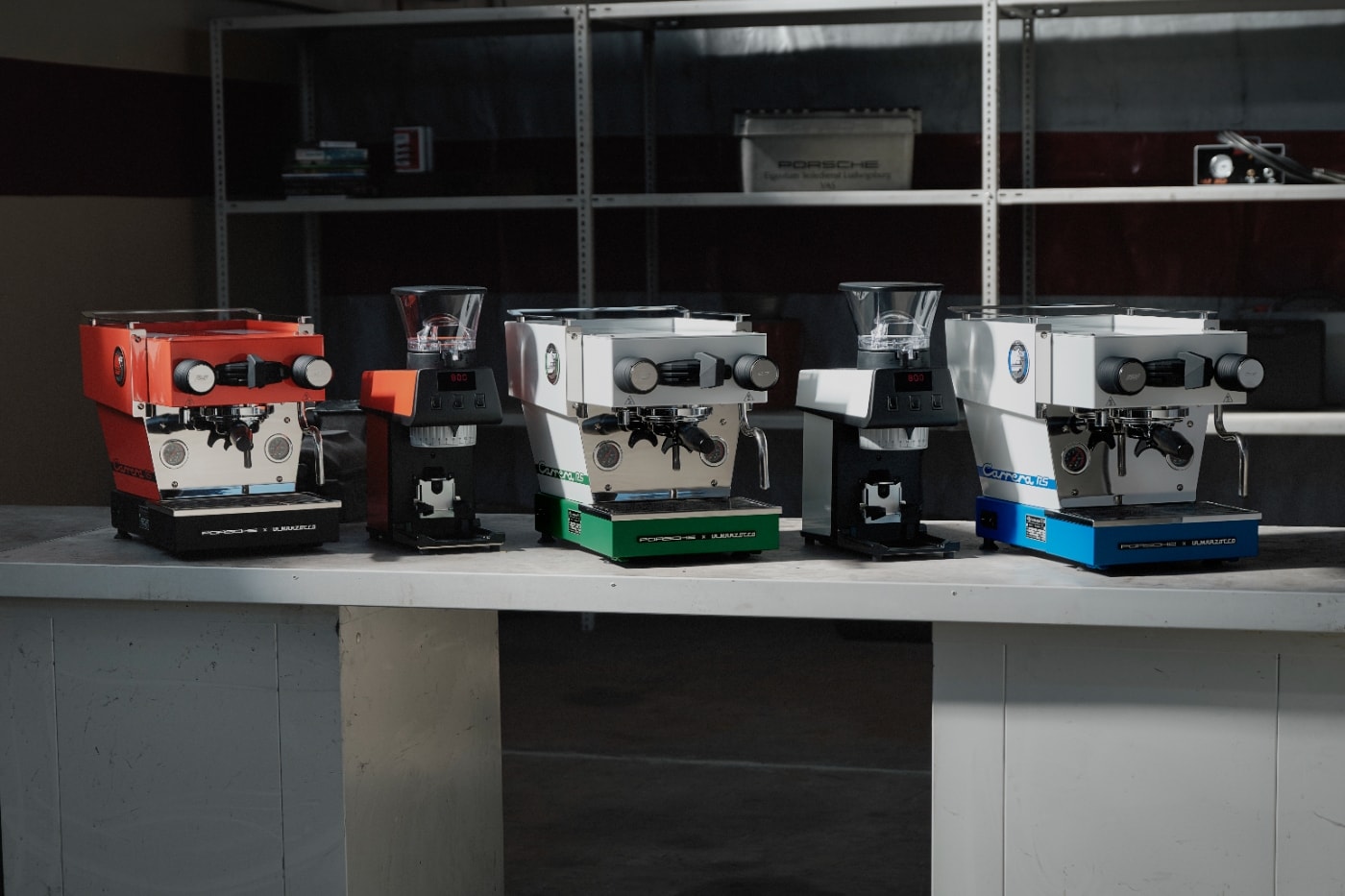
Then there is the money. Carscoops reports that Porsche is working on 15 new one-offs, one of them priced at $15 million. The stated aim is to bolster sagging profits by building more customised, one-off cars. The motive is commercial, and it is worth saying so. When a series stops being scarce, the maker with a name and a hand becomes the scarce thing.
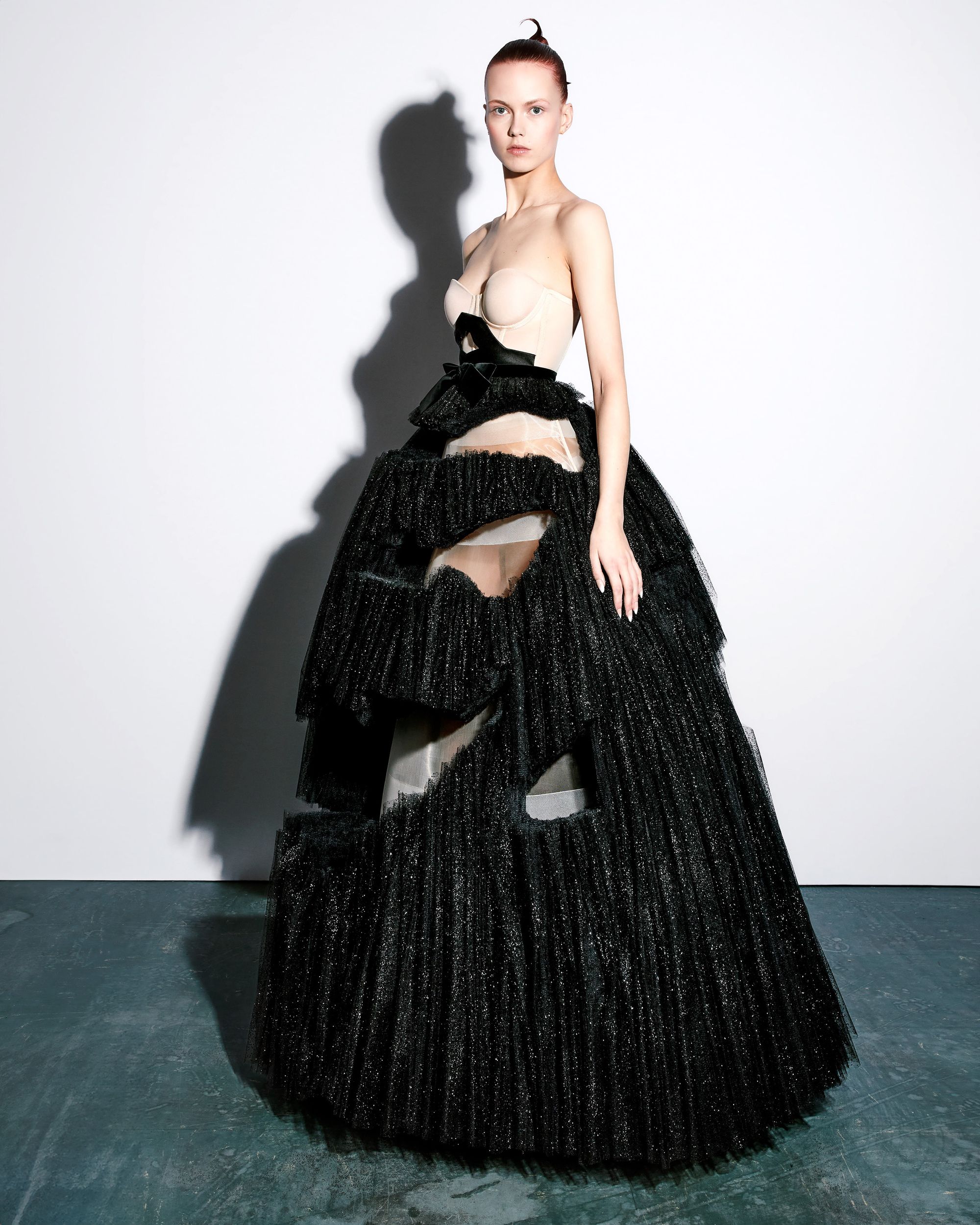
Taken together, the three stories describe one move. Cars, couture and textiles are each sliding from the series towards the single piece, and the signature is part of the product. The cause is not taste alone. Series goods are now easy to copy, to compare and to buy anywhere.
Our expectation for the next five years is that wealthy buyers will ask less for the newest model and more for who made it and whether anyone else has one. In a house, that points to fewer things and more commissions: a blanket woven by a known family, a table made once, a car that exists in a single copy. Rooms will keep their shell and change their objects slowly, one signed piece at a time.
What could go differently: if every brand starts selling a one-off, the signature becomes a label like any other, and the series quietly returns under a new name.